The Strategic Advantage of Opening an Office Near Where Your Team Lives
The conversation around office space has changed: no longer is discussion centered on whether to have an in-person headquarters, but back to the basics: where. Hybrid models have become standard and teams more geographically distributed than ever, which makes the decision on "location, location, location” a make-or-break strategic choice.
Opening an office near where your team lives is a crucial productivity decision (in addition to a meaningful convenience) as much as a retention strategy. And in North Texas, it is increasingly aligned with residential growth patterns.
Where Talent Lives Has Shifted
Over the last several years, North Texas has experienced significant residential migration toward suburban corridors. Professionals, executives, and families have chosen communities that offer strong schools, modern housing, and access to amenities.
For employers, this demographic shift matters.
When a company locates its office near established residential hubs, it aligns its physical presence with the daily reality of its workforce. Instead of requiring long cross-metro commutes, the office becomes integrated into employees’ routines.
This alignment sends a message: we understand how you live, not just how you work.
For hybrid teams especially, location should reflect where talent is concentrated. An office that feels convenient is far more likely to be used consistently.
Reduced Commute Stress Improves Focus
Commute length is often underestimated in its impact on performance. Extended travel times before and after work can erode focus, increase fatigue, and gradually contribute to burnout.
When employees spend less time navigating traffic and more time in purposeful work, several outcomes improve:
Morning focus sharpens
Energy levels remain steadier throughout the day
Stress decreases
Engagement increases
Shorter, more predictable commutes also improve meeting reliability. Team members arrive prepared rather than recovering from an hour on the road. For companies operating on tight schedules and collaborative workflows, this consistency compounds over time.
The difference between a 15-minute commute and a 60-minute commute may seem incremental on paper. In practice, it reshapes daily performance.
Hybrid Scheduling Becomes Easier to Sustain
Hybrid work models succeed when participation is simple.
If coming into the office requires significant logistical planning, attendance naturally declines. When the office is located near residential clusters, in-person collaboration becomes a manageable part of the week rather than a disruption.
This makes it easier to:
Schedule recurring team days
Host strategy sessions
Bring departments together for planning
Conduct in-person interviews
Organize client meetings
Leaders often find that proximity directly influences how often teams choose to gather. A well-located office removes friction from collaboration. Over time, that consistency strengthens culture.
Increased Punctuality and Daily Energy
Location impacts scheduling, yes, but also daily personal resources.
An office situated near where employees live supports healthier work patterns. Team members can leave home later without feeling rushed. They are less likely to encounter unpredictable delays. Lunch breaks become more flexible. After-work commitments remain accessible.
This subtle reduction in friction creates a measurable difference in punctuality and overall morale: Energy is preserved for strategic thinking rather than consumed by transportation logistics.
For growing companies, protecting that energy is critical. Scaling requires sustained performance, not intermittent bursts.
Proximity Supports Retention
Retention is influenced by many factors: compensation, culture, leadership, growth opportunities. Location is often overlooked, yet it plays a meaningful role.
Employees who feel their employer has thoughtfully considered commute realities are more likely to remain satisfied. Convenience communicates respect for personal time.
As competition for skilled professionals intensifies, every advantage matters. An accessible office becomes part of the overall employment value proposition.
For organizations investing in private offices or team suites, selecting a location that aligns with residential growth patterns supports long-term stability.
Professional Separation Without Excessive Travel
Many professionals discovered the benefits and limitations of working from home over the past few years. While flexibility increased, so did distractions and blurred boundaries.
An office located minutes from home provides the best of both environments. Employees gain:
A dedicated, professional workspace
Clear separation between personal and professional roles
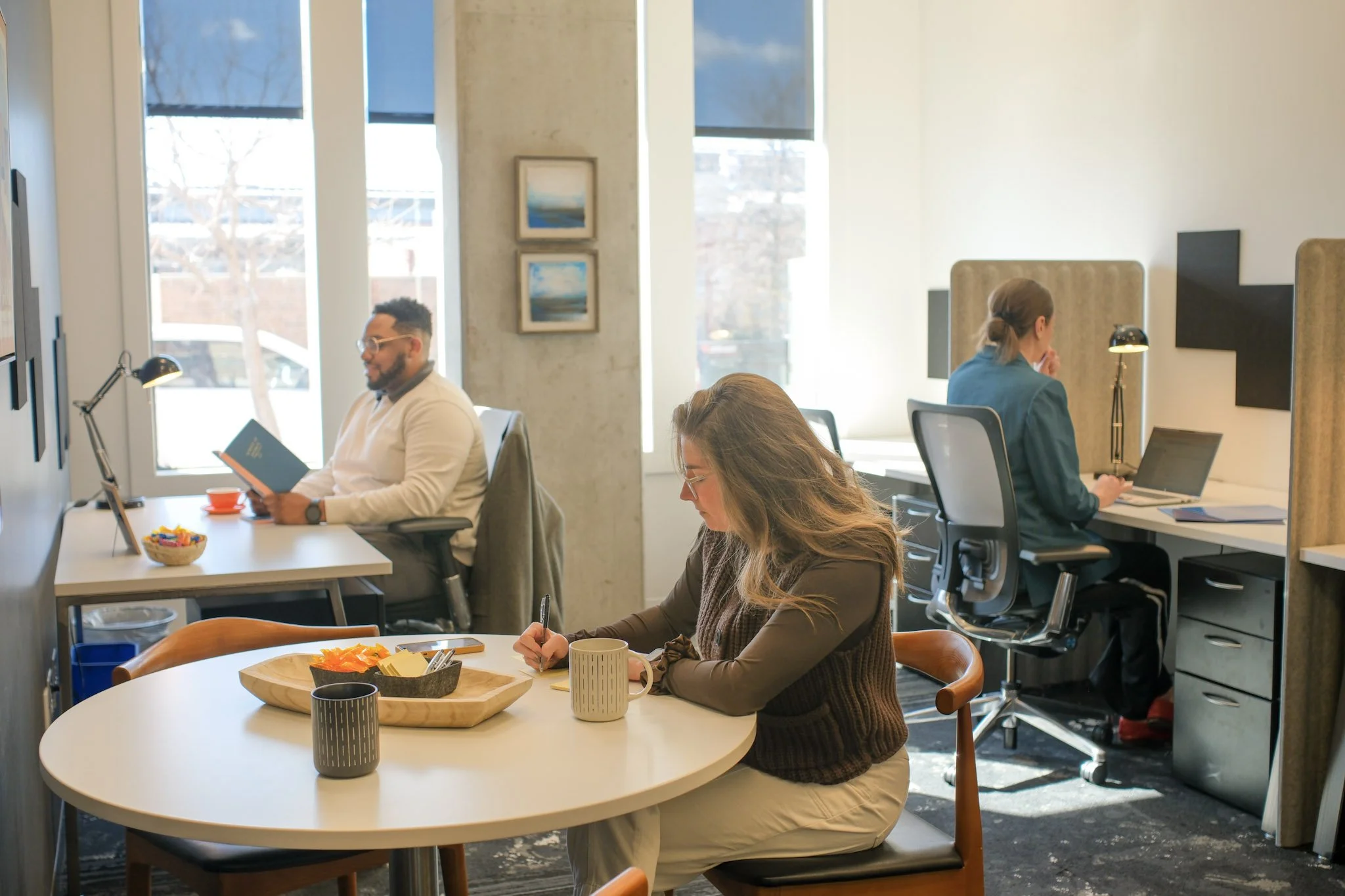
Access to meeting rooms and collaborative space
Community and interaction
Without sacrificing proximity, they regain structure. This balance is particularly important for leadership teams, consultants, and client-facing professionals who require polished meeting environments without wanting extended daily travel.
Strategic Location as a Growth Tool
As companies scale, leadership decisions increasingly center on alignment.
Does our space reflect where our team lives?
Does our office support hybrid participation?
Does our location enhance productivity rather than complicate it?
Opening an office in a residentially aligned corridor is a long-term strategic move. It positions the company within the natural flow of its workforce.
In North Texas, that alignment often means choosing locations embedded within growing suburban communities, where professional space integrates seamlessly with daily life.
For companies that also maintain or expand into additional markets, having access to multiple well-placed environments ensures flexibility as needs evolve. Each location can serve a distinct purpose, whether focused on team collaboration, client meetings, or executive presence.
The common denominator remains proximity.
Location As a Leadership Decision
Office selection is rarely just a facilities decision, but a strategic leadership decision.
Where you choose to locate signals how you think about culture, productivity, and long-term sustainability. An office that supports daily ease reinforces thoughtful management. It reflects an understanding that performance is tied not only to tools and technology, but also to environment.
When your team’s commute is manageable, collaboration is accessible, and professional space is within reach, productivity becomes more consistent.
The future of work is not defined solely by remote versus in-office models but by intentional site selection. For hybrid teams and growing companies, opening an office near where your team lives is more than a convenience, but a strategic edge.